Marriages in Benin

An African wedding is like a cultural buffet of traditions, rituals and customs. Depending upon which area of the continent you reside, the more customized the wedding ritual. Benin is no different from the other countries in Africa; their traditions are specific to which they are as a people. Benin is made up of many different tribes, therefore bringing a mixture of traditional marriage practices.   Beninese cultures   practice monogamous as well as polygamous weddings.

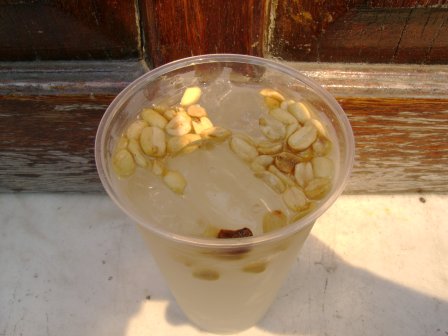
Arranged marriages are the most utilized traditional practices the Beninese people perform. The marriage is arranged at birth of a young woman as to whom she will be betrothed. Upon puberty for the girl and maturation for the boy, his family would begin to send gifts to her family. Traditionally, the groom would work for the future in laws, and give them yams as a form of a dowry. In more recent families, money has been provided as a dowry. The fathers of both participants decide upon the day of the “betrothal ceremony”. On the ceremonial day, the traditional customary gifts would include palm wine, kola nuts and coconuts will be given to the bride’s family by the groom.

The wedding day ceremony consists of the bride traveling to the grooms home and having her hands washed in money and cowrie shells to symbolize fertility and acceptance by her husband’s family. After a few days have passed, the bride’s family is allowed to visit their daughter in her new home.
Solar Powered Benin

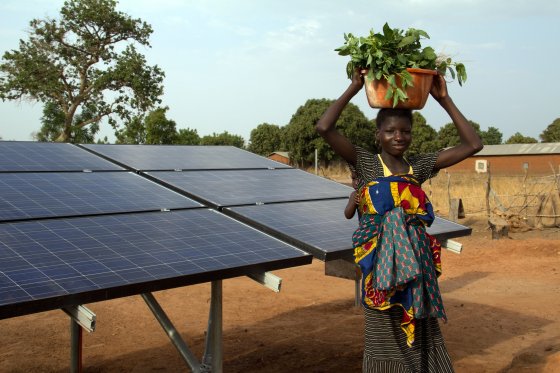
For many years technological advancements have been limited in Africa, some tech that could make life and the amenities of living easier haven’t been readily available. In resent years, Benin and other countries in Sub-Sarahar Africa have been a region for projects that are both government and non-government funded to explore solar powered technology. Solar Powered Drip Irrigation systems or Photovoltaic Drip Irrigation (PVDI) are changing the way that the communities of rural manage agriculture and electrical amenities. Since 2010 the implementation of PVDI have help many families grow crops successfully during the dry season, and sell crops that were excessive to make profits. Recent stats provided by the Beninese Electrical Power Company (SBEE) states that some 38.4% of all people living in Benin have access to electricity, that 56% of that number live in urban areas and 2.4% in rural Benin. However the good new is that most of these numbers only encompass those on the electrical grid. The use of Solar Power is not in this account, projects such as those responsible for the “MY Fat Baby: Solar Drip Irrigation Enhance Food Security in Benin” video make accessions to the SBEE statistics. Despite the troubling numbers of those without electricity, media on the internet have showed a number of agencies have began to not only donate Solar Powered Systems to rural Benin, but the education of the products are also empowering some to continue amassing the technology for the future. These types of innovative strategies will help the communities accomplish food security for the future, and open new doors to achieve enhanced solar energy supply throughout Benin rural and urban areas. Solar Electric Light fund (SELF) is one of the major contributors in bring solar power to Benin, the like below shows just how powerful this new simple technology is to a small village in Benin.

This video is called My Fat Baby: Solar Drip Irrigation Enhance Food Security in Benin https.//www.youtub.com/watch?v=ojZtVEcZnwl

f1-large


Rice Production on the Rise

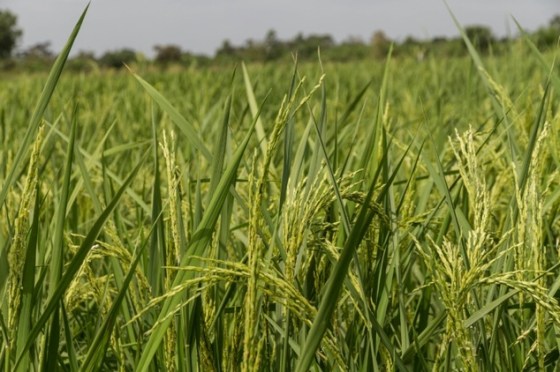
Smart irrigation and a hearty strain of rice has allowed the farmer of Benin see a growth in their harvest.  Small farmers in southeastern Benin have seen their harvest double over four years from 1.2 to 2.4 tons per acre.  This growth is the outcome of participation with the Africa Rice Center, or AfricaRice, a not for profit research and training center. The organization changed how the farmers utilization irrigation to nourish the harvest.

The organization created “Smart-Valley’s”, humid inland valleys that were natural areas for catching rainfall to aid in the potential to grow rice. The benefits of the irrigation system was that it is cheap and sustainable, if its built-in the right areas, providing an influx of water when needed and limited amount when not needed. The Smart-Valley’s became a success through the collaboration of the rice specialists and farmers knowledge of the land to decide which areas would produce bountiful harvests of rice.

An added benefit of the rice grain production came a hybrid strain of rice called Nerica, short for New Rice Africa.  The strain comes from genes of high yielded Asian strains and ancient African strains that is low yielding but drought resistant.  The new strain has allowed for rice harvests to double, giving the farmers areas of where to expand on their processing and marketing.

The currently issue in the way to expanding production is getting the people of area to enjoy the hardy, nutty grain to the preferred aromatic imported rice from Asia.